Best Replacement HEPA Filters for Popular Air Purifiers (2026)
Find the right replacement HEPA filter for your Levoit, Coway, Winix, or Blueair air purifier. We cover OEM options, costs, and replacement schedules.

Table of Contents
- Replacement Filter Cost Comparison
- Best Replacement Filters by Purifier
- Levoit Core 300/300S: Core 300-RF
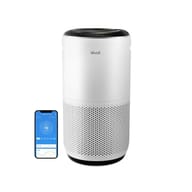
- Levoit Core 400S: Core 400S-RF
- Coway Airmega 200M: Filter Set 3304899
- Winix 5500-2: Filter H (116130)
- Blueair Blue Pure 411: Particle + Carbon Filter
- When to Replace Your Filter: Signs It Is Overdue
- What Happens When You Skip Filter Replacement
- OEM vs. Third-Party Filters: Is It Worth Saving Money?
- Why OEM Filters Are Worth the Premium
- The Problems With Third-Party Filters
- Our Recommendation
- How to Get the Most Life Out of Your Filters
- Where to Buy Replacement Filters
- Bottom Line
TL;DR
Replacement HEPA filters cost between $24 and $85 per year depending on your purifier model. The Levoit Core 300 filter is the cheapest to maintain at roughly $38 to $60 per year, while the Winix 5500-2 offers the best value with a washable carbon pre-filter and 12-month HEPA life. Always buy OEM filters from the manufacturer or authorized retailers. Third-party filters cost 30 to 50% less but risk poor fit, reduced filtration, and shorter lifespan.
Levoit
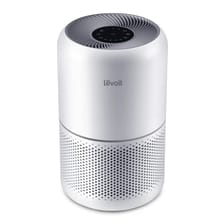
Levoit Core 300/300S Replacement Filter (Core 300-RF)
Cheapest Annual Filter Cost
Blueair
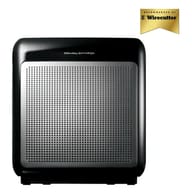
Blueair Blue Pure 411 Particle + Carbon Filter
Budget Compact Purifier Owners
Full Comparison
| # | Product | Best For | Rating | Price | |
|---|---|---|---|---|---|
| 1 | Levoit Core 300/300S Replacement Filter (Core 300-RF) Top Pick Levoit | Cheapest Annual Filter Cost | 4.8 | $ | Check Price |
| 2 | Levoit Core 400S Replacement Filter (Core 400S-RF) Levoit | Best for Large Rooms | 4.7 | $$ | Check Price |
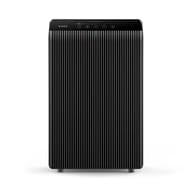
| 3 | Coway Airmega 200M Filter Set (3304899) Coway | Best Complete Filter Set | 4.7 | $$ | Check Price |
| 4 | Winix 5500-2 Filter H (116130) Winix | Longest HEPA Lifespan | 4.6 | $$ | Check Price |
| 5 | Blueair Blue Pure 411 Particle + Carbon Filter Blueair | Budget Compact Purifier Owners | 4.5 | $ | Check Price |
Affiliate Disclosure: CleanAirCritic earns commissions from qualifying purchases through affiliate links on this page. This does not influence our rankings or reviews. All opinions are our own. Learn more
Your air purifier is only as good as the filter inside it. A clogged, overdue HEPA filter does not just reduce performance; it can cut your purifier's clean air delivery rate (CADR) by 50% or more. The motor works harder, the fan gets louder, and you are breathing air that is not nearly as clean as you think.
The fix is simple: replace the filter on schedule. But finding the right replacement filter for your specific model, knowing whether third-party options are worth the savings, and understanding how much you will actually spend per year can be surprisingly confusing.
We broke down the replacement filters for the five most popular air purifiers we recommend: the Levoit Core 300/300S, Levoit Core 400S, Coway Airmega 200M, Winix 5500-2, and Blueair Blue Pure 411. Here is everything you need to know about replacement schedules, costs, and where to buy.
Replacement Filter Cost Comparison
| Air Purifier | OEM Filter | Filter Price | Replace Every | Est. Annual Cost |
|---|---|---|---|---|
| Levoit Core 300/300S | Core 300-RF | $25 to $30 | 6-8 months | $38 to $60 |
| Blueair Blue Pure 411 | Particle + Carbon | ~$24 | 6 months | ~$48 |
| Coway Airmega 200M | Filter Set (3304899) | $50 to $52 | 12 months (HEPA) | $60 to $80 |
| Winix 5500-2 | Filter H (116130) | $55 to $85 | 12 months | $55 to $85 |
| Levoit Core 400S | Core 400S-RF | ~$50 | 6-8 months | $75 to $100 |
The Levoit Core 300 is the clear winner on annual filter cost. If ongoing maintenance costs are a priority, it is the most budget-friendly purifier to own long term. The Winix 5500-2 offers a nice middle ground since its carbon filter is washable, which saves money between annual HEPA replacements.
Best Replacement Filters by Purifier
Levoit Core 300/300S: Core 300-RF
Best for: Cheapest annual filter cost
The Core 300-RF is a 3-in-1 filter that combines a pre-filter, H13 True HEPA layer, and high-efficiency activated carbon in a single cylindrical cartridge. You replace the entire unit at once, which makes maintenance dead simple.
At $25 to $30 per filter with a 6 to 8 month lifespan, annual costs come in at roughly $38 to $60. That is the lowest of any purifier on this list. The filter is compatible across the full Core 300 family, including the Core 300, Core 300S, Core 300-P, and Core P350-P.
What we like:
- Lowest per-filter and annual cost
- 3-in-1 design means no separate carbon filter to track
- Wide availability at Amazon, Walmart, Home Depot, and Best Buy
- Compatible across multiple Core 300 variants
Watch out for:
- 6 to 8 month lifespan means replacing more often than Coway or Winix
- Compact filter size means it saturates faster in high-pollution environments
When to replace: Every 6 to 8 months, or when the filter indicator light turns red. In homes with pets or during wildfire season, check monthly and replace earlier if the filter looks visibly gray.
Levoit Core 400S: Core 400S-RF
Best for: Large room coverage with premium filtration
The Core 400S-RF uses the same 3-stage design as the Core 300 but in a larger format with significantly more activated carbon. Levoit claims 10 times more carbon than competitors, using their ARC Formula blend. This makes it particularly effective at trapping VOCs, cooking odors, and smoke alongside standard particle filtration.
The tradeoff is cost. At around $50 per filter and the same 6 to 8 month replacement cycle, you are looking at $75 to $100 per year in filter costs. That is nearly double the Core 300. For the added room coverage (up to 403 sq ft) and superior odor control, many owners consider it worthwhile.
What we like:
- Enhanced activated carbon for better odor and VOC removal
- Large filter surface area handles bigger rooms
- Same easy 3-in-1 replacement as Core 300
Watch out for:
- Highest annual filter cost on this list
- Only compatible with Core 400S and PlasmaPro 400S models
When to replace: Every 6 to 8 months. The Core 400S has a built-in air quality sensor and filter life indicator that tracks actual usage, so follow its guidance over a fixed calendar schedule.
Coway Airmega 200M: Filter Set 3304899
Best for: Set-it-and-forget-it annual replacement
Coway sells the Airmega 200M replacement as a complete filter set: one Green True HEPA filter and two deodorization carbon pre-filters. The HEPA filter lasts a full 12 months, which means fewer replacement cycles and less hassle than the Levoit models.
The carbon pre-filters need swapping every 6 months, but since the set includes two of them, a single purchase covers you for the full year. At $50 to $52 for the complete set, annual costs land at $60 to $80 depending on where you buy.
What we like:
- 12-month HEPA lifespan, the joint longest on this list
- Complete set includes everything you need for a full year
- Compatible with the popular AP-1512HH Mighty and Airmega 200M
- Filter replacement indicator tracks HEPA and carbon separately
Watch out for:
- Pre-filter needs replacing at the 6-month mark (included in the set)
- Slightly more complex replacement process than the one-piece Levoit filters
When to replace: HEPA filter every 12 months, carbon pre-filters every 6 months. The Coway has separate indicator lights for each filter type. For a deeper look at maintenance routines, see our air purifier maintenance guide.
Winix 5500-2: Filter H (116130)
Best for: Longest effective HEPA lifespan with washable carbon
The Winix 5500-2 uses Filter H, a combo that includes a True HEPA filter and a washable Advanced Odor Control (AOC) carbon filter. The standout feature is that the AOC carbon filter is washable. Rinse it under cool water every few months to refresh it, then replace it alongside the HEPA filter at the 12-month mark.
This washable carbon filter is a genuine cost advantage. Instead of buying separate carbon replacements mid-year like the Coway, you just rinse and reuse. Annual cost runs $55 to $85 depending on whether you catch a sale.
What we like:
- 12-month HEPA and carbon filter lifespan
- Washable AOC carbon filter saves money between annual replacements
- PlasmaWave technology provides additional air cleaning without ozone risk
- Compatible with Winix 5500-2 and AM80
Watch out for:
- Higher upfront filter cost ($55 to $85 per set)
- The HEPA filter is not washable, only the carbon filter is
- Availability can be spotty at some retailers
When to replace: HEPA filter every 12 months. Rinse the AOC carbon filter under cool water every 2 to 3 months and replace it annually alongside the HEPA filter.
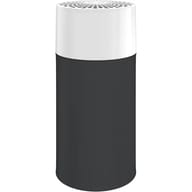
Blueair Blue Pure 411: Particle + Carbon Filter
Best for: Budget-friendly compact purifier owners
The Blue Pure 411 uses a combination particle and carbon filter that wraps around the cylindrical body of the purifier. It is a single-piece replacement that handles both particle capture and odor control.
At roughly $24 per filter with a 6-month lifespan, annual costs come to about $48. That is very competitive, especially for a name-brand filter. The Blue Pure 411 also uses an outer fabric pre-filter (sold separately in various colors) that you can machine wash to extend the inner filter's life.
What we like:
- Low per-filter cost
- Simple one-piece replacement
- Washable fabric pre-filter extends main filter life
- Compact, lightweight, and easy to swap
Watch out for:
- 6-month lifespan means replacing twice per year
- Combination filter design means you cannot replace just the carbon layer independently
- Lower CADR (120 CFM) limits this to small rooms up to 190 sq ft
When to replace: Every 6 months. Wash the fabric pre-filter in the washing machine monthly to prevent dust from prematurely clogging the inner HEPA filter.
When to Replace Your Filter: Signs It Is Overdue
Your purifier's filter indicator light is a starting point, but it is usually based on run time, not actual filter condition. Here are the real-world signs your filter needs replacing:
Visual check: Pull the filter out and look at it. A new HEPA filter is white or light gray. If yours is dark gray, brown, or visibly matted with dust and debris, it is past due.
Reduced airflow: Hold your hand near the outlet on the highest fan speed. If airflow feels noticeably weaker than when the filter was new, the filter is restricting air movement.
Increased noise: A clogged filter forces the motor to work harder. If your purifier sounds louder than usual on the same fan setting, the filter is likely the culprit.
Persistent odors: If you notice smells the purifier used to eliminate, the activated carbon layer is saturated and can no longer absorb VOCs and odors.
Air quality sensor stays elevated: If your purifier has a built-in sensor and the readings are consistently higher than usual, a spent filter is often the reason.
What Happens When You Skip Filter Replacement
Running an air purifier with an overdue filter is worse than most people realize. The relationship between filter condition and performance is not linear.
As a HEPA filter collects particles, the trapped debris actually makes the mesh finer, so it catches more particles per pass. That sounds like a good thing, but it comes with a severe tradeoff: airflow drops dramatically. Less air moving through the filter means less total clean air delivered to the room.
Research on dust-loaded HEPA filters found that effective room-cleaning efficiency can drop by roughly 50% after extended continuous use past the recommended replacement date. Your purifier is still running, but it is cleaning half the air it should be.
Beyond reduced CADR, an overdue filter causes:
- Higher energy bills from the motor working harder against increased resistance
- More fan noise at the same speed settings
- Potential mold growth on carbon layers that have absorbed moisture
- Air bypass if the filter media degrades structurally, allowing unfiltered air through gaps
For more on keeping your purifier in top shape, read our full air purifier maintenance guide.
OEM vs. Third-Party Filters: Is It Worth Saving Money?
Third-party replacement filters typically cost 30% to 50% less than OEM. That is tempting, especially when you are replacing filters one to two times per year. But the savings come with real tradeoffs.
Why OEM Filters Are Worth the Premium
OEM filters are designed and tested to match the specific airflow and sealing requirements of your purifier. The filter media density, frame dimensions, and gasket fit are all engineered to work together. When you install an OEM filter, you know the CADR and efficiency specs on the box are accurate.
The Problems With Third-Party Filters
Third-party filters are reverse-engineered, and even small deviations create problems:
Fit issues: A filter that is even slightly undersized creates gaps where unfiltered air bypasses the HEPA media entirely. This is the most common complaint in reviews of third-party filters.
Lower media density: Manufacturer comparisons have shown third-party filters weighing up to 39% less than their OEM equivalents. Less material means less carbon, thinner HEPA media, and reduced particle capture.
Shorter effective lifespan: Lower-grade materials degrade faster, meaning you may need to replace more often, which erodes the per-filter savings.
Off-gassing risk: There are documented reports of cheap third-party filters releasing chemical odors, which is the opposite of what an air purifier should do.
Our Recommendation
Stick with OEM filters. The annual cost difference between OEM and third-party is typically $20 to $50. That is a small price to pay for guaranteed performance, proper fit, and peace of mind. If you want to save money on filters, buy OEM multi-packs during sales events instead.
For a deeper understanding of how different filter types work, including HEPA, carbon, and ionizer technology, see our comparison guide.
How to Get the Most Life Out of Your Filters
You cannot extend a HEPA filter's life indefinitely, but you can avoid shortening it unnecessarily:
Run the purifier on auto mode. Constant high-speed operation loads the filter faster. Auto mode adjusts fan speed based on actual air quality, which extends filter life during clean-air periods.
Keep the pre-filter clean. If your purifier has a washable pre-filter (like the Blueair 411's fabric sleeve or the Winix 5500-2's AOC carbon filter), clean it monthly. The pre-filter catches large particles before they reach the HEPA layer.
Close windows during high-pollution periods. Running your purifier with open windows during wildfire season or heavy pollen days forces it to process far more particles, accelerating filter loading.
Vacuum the exterior. Use a soft brush attachment to gently vacuum the outside of the purifier's intake vents monthly. This prevents surface dust from getting pulled into the filter unnecessarily.
Store spare filters properly. Keep unused filters in their original sealed packaging in a cool, dry place. HEPA filters do not degrade in sealed storage, so buying in bulk during sales is perfectly fine.
Where to Buy Replacement Filters
For guaranteed authenticity, buy directly from the manufacturer:
- Levoit: levoit.com
- Coway: cowaymega.com
- Winix: winixamerica.com
- Blueair: blueair.com
Authorized retailers including Amazon, Best Buy, Home Depot, Walmart, and Target also carry genuine OEM filters. When buying from Amazon, verify the seller is the brand's official store or an authorized dealer, and double-check the filter model number matches your purifier exactly.
Bottom Line
Replacement filters are the single most important ongoing investment in your air purifier. A fresh filter means your purifier delivers the CADR and particle capture rates it was designed for. An overdue filter means you are running a noisy, power-hungry machine that is cleaning half the air it should.
The good news: annual filter costs for the most popular purifiers are modest. The Levoit Core 300 costs as little as $38 per year to maintain. Even the most expensive option on this list, the Levoit Core 400S, tops out around $100 per year.
Set a calendar reminder, buy OEM, and your purifier will keep doing its job. For a complete maintenance routine beyond just filter replacement, check out our air purifier maintenance guide.