How Wildfire Smoke Affects Your Health
Wildfire smoke health effects explained: how PM2.5, VOCs, and toxic gases damage your lungs, heart, and brain. Learn who is most at risk and how to stay safe.

Table of Contents
- What Is Wildfire Smoke?
- Particulate Matter (PM2.5)
- Volatile Organic Compounds (VOCs)
- Carbon Monoxide and Other Gases
- Short-Term Wildfire Smoke Health Effects
- Respiratory Effects
- Cardiovascular Strain
- Other Short-Term Effects
- Long-Term Health Effects of Wildfire Smoke
- Chronic Respiratory Disease
- Cardiovascular Disease
- Neurological Effects
- Immune System Suppression
- Who Is Most Vulnerable to Wildfire Smoke?
- Children
- Adults Over 65
- People with Asthma, COPD, or Heart Disease
- Pregnant Women
- Outdoor Workers
- How to Protect Yourself from Wildfire Smoke Health Effects Indoors
- Run a HEPA Air Purifier
- Create a Clean Air Room
- Monitor Your Indoor Air Quality
- Seal Your Home
- Reduce Indoor Pollution Sources
- When to Seek Medical Attention
- The Bottom Line
TL;DR
At Clean Air Critic, we break down exactly how wildfire smoke harms your body. The biggest threat is PM2.5, fine particles small enough to enter your bloodstream and damage your lungs, heart, and brain. The EPA estimates wildfire smoke causes 340,000 premature deaths globally each year. A True HEPA air purifier in a sealed room is the most effective indoor protection.
Affiliate Disclosure: CleanAirCritic earns commissions from qualifying purchases through affiliate links on this page. This does not influence our rankings or reviews. All opinions are our own. Learn more
Wildfire seasons are getting longer and more intense across the United States. The 2025 fire season produced smoke events that pushed AQI readings above 300 in cities hundreds of miles from the nearest fire. If you live anywhere in the western U.S., or increasingly in the Midwest and East Coast, wildfire smoke is no longer a rare occurrence. It is a recurring health hazard that affects tens of millions of people every summer.
Understanding exactly what is in wildfire smoke and how it damages your body is the first step toward protecting yourself and your family.
What Is Wildfire Smoke?
Wildfire smoke is a complex mixture of gases, chemicals, and fine particles produced when trees, brush, homes, and other organic materials burn. It is not just "smoky air." It is a cocktail of hundreds of compounds, many of which are toxic.
The three major components are:
Particulate Matter (PM2.5)
Fine particulate matter is the most dangerous component of wildfire smoke. These particles are 2.5 microns or smaller, roughly 30 times thinner than a human hair, and small enough to bypass your nose and throat and penetrate deep into your lungs. Some particles are so small they cross into your bloodstream. For a full breakdown of how these particles work, see our guide on what is PM2.5.
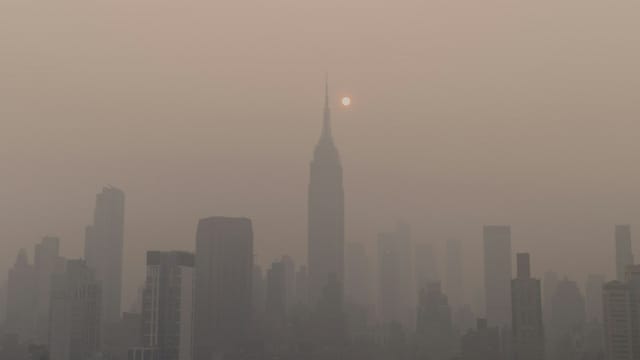
During the 2020 Oregon wildfires, PM2.5 concentrations in Portland exceeded 500 ug/m3, more than 55 times the EPA's annual safety standard of 9.0 ug/m3. The 2023 Canadian wildfire smoke that blanketed New York City pushed AQI above 400, making it temporarily the worst air quality of any major city in the world.
Volatile Organic Compounds (VOCs)
Wildfire smoke contains dozens of VOCs, including benzene (a known carcinogen), formaldehyde, acrolein, and toluene. These gases are produced by incomplete combustion and can irritate your airways at concentrations well below what you can smell. When fires burn through residential areas, the VOC profile becomes even more toxic as plastics, treated wood, and synthetic materials combust.
Carbon Monoxide and Other Gases
Wildfires produce carbon monoxide (CO), nitrogen dioxide (NO2), and ozone precursors. CO reduces your blood's ability to carry oxygen. NO2 inflames airway tissue. Ground-level ozone, formed when sunlight reacts with wildfire emissions, compounds the respiratory damage from particles alone.
Short-Term Wildfire Smoke Health Effects
You do not need weeks of exposure to feel the effects. Most people notice symptoms within hours of heavy smoke exposure, and some react within minutes.
Respiratory Effects
The most immediate impact is on your airways. PM2.5 particles trigger inflammation in the bronchial tubes and alveoli, causing:
- Coughing, wheezing, and shortness of breath
- Chest tightness and difficulty breathing deeply
- Increased mucus production
- Aggravation of existing asthma and COPD (the CDC reports a 10-30% increase in asthma-related ER visits during major smoke events)
Even healthy adults with no history of respiratory problems can develop a persistent cough and breathing difficulty during sustained smoke exposure.
Cardiovascular Strain
PM2.5 particles that enter your bloodstream trigger systemic inflammation. Within hours of exposure, your blood becomes more prone to clotting, your blood vessels constrict, and your heart rate variability decreases. A 2021 study in the Journal of the American Heart Association found that wildfire smoke days were associated with a 1-5% increase in heart attack risk, with the effect strongest in adults over 65.
Other Short-Term Effects
- Eye irritation: Smoke particles and VOCs cause burning, redness, and excessive tearing. Contact lens wearers are particularly vulnerable.
- Headaches and fatigue: Carbon monoxide and reduced oxygen delivery cause headaches, dizziness, and cognitive sluggishness.
- Sore throat and nasal congestion: Your upper airways inflame as a defense response to inhaled irritants.
- Skin irritation: Prolonged exposure to smoke can aggravate eczema and dermatitis.
Long-Term Health Effects of Wildfire Smoke
A single bad smoke day is unlikely to cause lasting harm for healthy adults. The real concern is cumulative exposure across multiple fire seasons, which is increasingly common as wildfire frequency and intensity grow.
Chronic Respiratory Disease
Repeated exposure to wildfire smoke accelerates lung aging. A 2022 study from the University of California tracked residents in fire-prone regions over five years and found that people exposed to three or more significant smoke seasons showed measurable declines in FEV1 (forced expiratory volume), the standard measure of lung function. This decline was comparable to living with a moderate smoker in the household.
Children exposed to heavy wildfire smoke during critical lung development years may never reach their full lung capacity. The developing lungs of children under 18 are particularly sensitive to inflammatory damage from PM2.5.
Cardiovascular Disease
The WHO estimates that long-term PM2.5 exposure is responsible for approximately 4.2 million premature deaths worldwide each year, with cardiovascular disease as the leading cause. Wildfire smoke is a significant and growing contributor to that total. Chronic exposure promotes atherosclerosis (hardening of the arteries), increases stroke risk, and worsens outcomes for people with existing heart failure.
Neurological Effects
Emerging research suggests ultrafine particles from wildfire smoke can reach the brain through the olfactory nerve or the bloodstream. A 2023 study published in Environment International linked wildfire smoke exposure to increased rates of cognitive decline and dementia in older adults. While this research is still developing, it adds another reason to minimize exposure.
Immune System Suppression
Sustained PM2.5 exposure impairs your immune system's ability to fight infections. Epidemiological data from California fire seasons shows measurable increases in respiratory infections, including influenza and pneumonia, in the weeks following major smoke events.
Who Is Most Vulnerable to Wildfire Smoke?
Wildfire smoke affects everyone, but certain groups face disproportionately higher risks.
Children
Children breathe faster than adults relative to their body weight, inhaling more pollutants per pound. Their lungs are still developing, and inflammatory damage during growth can have permanent consequences. The American Academy of Pediatrics recommends keeping children indoors with filtered air when AQI exceeds 100.
Adults Over 65
Older adults are more likely to have underlying cardiovascular and respiratory conditions that smoke exposure worsens. They also tend to have reduced lung capacity and less physiological reserve to compensate for impaired oxygen delivery.
People with Asthma, COPD, or Heart Disease
Pre-existing conditions amplify every effect of smoke exposure. Asthma attacks increase dramatically during smoke events. COPD patients experience faster disease progression. People with heart failure, arrhythmia, or coronary artery disease face elevated risk of acute cardiac events.
Pregnant Women
Wildfire smoke exposure during pregnancy is associated with increased risk of preterm birth, low birth weight, and preeclampsia. A 2020 Stanford University study found that pregnant women exposed to wildfire smoke in their second and third trimesters had a 12-16% higher risk of preterm delivery compared to unexposed pregnancies.
Outdoor Workers
Construction workers, agricultural laborers, landscapers, delivery drivers, and anyone who works outdoors cannot simply stay inside during smoke events. This population often has the highest cumulative exposure and the least access to protective measures.
How to Protect Yourself from Wildfire Smoke Health Effects Indoors
You cannot control when wildfires burn, but you can significantly reduce your exposure inside your home. Indoor PM2.5 levels during a smoke event can be 5-10 times lower than outdoor levels if you take the right steps.
Run a HEPA Air Purifier
A True HEPA filter captures 99.97% of particles at 0.3 microns, which includes all PM2.5 from wildfire smoke. During the 2025 fire season, homes running HEPA purifiers maintained indoor PM2.5 levels roughly 50% lower than homes without them, even when outdoor AQI exceeded 200. The key is matching your purifier's CADR (Clean Air Delivery Rate) to your room size and running it continuously, not just when you can smell smoke.
For specific recommendations, see our best air purifiers for wildfire smoke roundup, which ranks units by smoke CADR and activated carbon capacity.
Create a Clean Air Room
If you can only run one purifier, designate a single room as your clean air room. Seal it, run the purifier continuously, and spend as much time there as possible during heavy smoke days. Our step-by-step guide to creating a clean air room during wildfire season walks through the full process, from sealing gaps to choosing the right room.
Monitor Your Indoor Air Quality
You cannot manage what you cannot measure. A PM2.5 monitor gives you real-time feedback on whether your efforts are working. If your indoor reading stays below 12 ug/m3 while outdoor AQI is 200+, your sealing and filtration are doing their job. If it creeps above 35 ug/m3, you need to find and fix the leak points.
Seal Your Home
Close all windows and doors. Seal gaps under doors with damp towels. Set your HVAC system to recirculate mode so it is not pulling in smoky outside air. If your HVAC has a filter slot, upgrade to MERV 13, which captures roughly 85% of PM2.5. Avoid running exhaust fans (bathroom, kitchen) during heavy smoke events, as they create negative pressure that pulls smoky air in through cracks.
Reduce Indoor Pollution Sources
During smoke events, avoid activities that add particles to your already stressed indoor air: gas stove cooking, candle burning, vacuuming without a HEPA filter, or using aerosol sprays. Every additional particle your purifier has to clean shortens its filter life and reduces its effectiveness against the wildfire smoke infiltrating from outside.
For a comprehensive preparation plan before fire season starts, see our wildfire smoke air purifier prep guide.
When to Seek Medical Attention
Most wildfire smoke symptoms resolve on their own once exposure ends. But some situations require prompt medical care.
Seek medical attention if you experience:
- Difficulty breathing that does not improve after moving to clean air
- Chest pain or pressure, especially if you have a history of heart disease
- Persistent dizziness, confusion, or loss of consciousness
- An asthma attack that does not respond to your rescue inhaler
- Coughing up blood or discolored mucus that persists beyond 48 hours after smoke exposure ends
- Worsening symptoms in a child, especially rapid breathing or retractions (visible pulling of skin between ribs)
If you or a family member has a chronic heart or lung condition, talk to your doctor before fire season about an action plan. This should include medication adjustments, exposure thresholds for staying indoors, and clear criteria for when to go to the emergency department.
The Bottom Line
Wildfire smoke is a serious health hazard that affects your respiratory system, cardiovascular system, and potentially your brain. The threat is no longer limited to people living near forests. Smoke travels hundreds of miles, and fire seasons are growing longer with each passing decade.
The most effective protection is straightforward: stay indoors during heavy smoke events, run a HEPA air purifier in a sealed room, and monitor your indoor PM2.5 levels to confirm your air is actually clean. These steps can reduce your exposure by 80-90%, even during the worst smoke days.
Do not wait until the smoke arrives. Prepare your home before fire season starts, stock replacement filters, and know the AQI thresholds that should trigger action. Your lungs will thank you.
Frequently Asked Questions
How long does wildfire smoke affect your health?
Is wildfire smoke worse than cigarette smoke?
Can wildfire smoke cause permanent lung damage?
Should I wear a mask when wildfire smoke is bad?
At what AQI level should I worry about wildfire smoke?
Does wildfire smoke affect your heart?
How do I protect my family from wildfire smoke indoors?
You Might Also Like
Dyson Air-Purifying Headphones: Gimmick or Legit?
We break down whether Dyson's air-purifying headphones (Zone and Aura) deliver real air filtration value, who actually benefits, and how they stack up against masks and portable purifiers.

Is an Air Purifier Worth the Money? Cost vs. Value Analysis
We break down whether an air purifier is worth the investment by comparing multi-year ownership costs against allergy meds, doctor visits, and lost productivity.
Is Incense Bad for Indoor Air Quality?
Burning incense releases PM2.5, benzene, formaldehyde, and PAHs into your home. Here's what the research says and how to reduce the health risks.
Are Candles Bad for Indoor Air Quality?
Candles release PM2.5, soot, and VOCs that degrade indoor air. Learn how paraffin, soy, and beeswax compare, what air quality monitors detect, and how to reduce exposure.