Best Air Purifiers for Nail Salons (2026)
The best air purifiers for nail salons in 2026. We compare heavy-carbon units and source-capture options to clear acrylic fumes, MMA monomer, and VOCs at the nail table.
Based on activated carbon mass ratings, CADR-per-dollar analysis for commercial salon environments, MMA and VOC chemical filtration requirements, and source-capture options for nail tables
Table of Contents
- Our Top Picks at a Glance
- The Honest Verdict First
- Detailed Reviews
- 1. Austin Air HealthMate HM400: Best Overall for Chemical Removal
- 2. AllerAir Salon Pro 5: Best Salon-Specific Unit with Source Capture Option
- 3. Hathaspace HSP001: Best Mid-Range Consumer Option
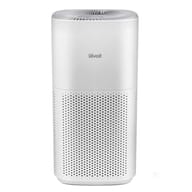
- 4. Levoit Core 600S: Best High-CADR Mainstream Option
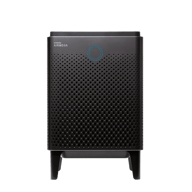
- 5. Coway Airmega 400: Best for Large Salon Spaces
- The Chemistry Behind Nail Salon Air Quality
- VOCs vs. Particles: Two Different Problems
- Why Carbon Mass Matters
- Source Capture Is Not Optional for High-Volume Salons
- Personal Protective Equipment Works in Parallel
- The Bottom Line
TL;DR
At Clean Air Critic, the best air purifier for a nail salon is the Austin Air HealthMate HM400. Its 15 lbs of activated carbon and zeolite handle the MMA monomer, acrylic dust, and VOC cocktail unique to nail work better than any mainstream consumer unit. For budget-conscious salons, the AllerAir Salon Pro 5 is built specifically for this environment with a heavy-carbon filter and a HEPA layer for acrylic dust. If you want a high-CADR consumer option, the Hathaspace HSP001 is a strong mid-range choice.
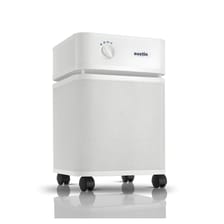
Austin Air
Austin Air HealthMate HM400
Best Overall for VOC and Chemical Removal
Full Comparison
| # | Product | Best For | Rating | Price | |
|---|---|---|---|---|---|
| 1 | Austin Air HealthMate HM400 Top Pick Austin Air | Best Overall for VOC and Chemical Removal | 4.7 | $$$ | Check Price |
| 2 | AllerAir Salon Pro 5 AllerAir | Best Salon-Specific Pick with Source Capture Option | 4.6 | $$$ | Check Price |
| 3 | Hathaspace HSP001 Hathaspace | Best Mid-Range Consumer Option | 4.4 | $$ | Check Price |
| 4 | Levoit Core 600S Levoit | Best High-CADR Mainstream Option | 4.7 | $$ | Check Price |
| 5 | Coway Airmega 400 Coway | Best for Large Salon Spaces | 4.6 | $$$ | Check Price |
AllerAir
AllerAir Salon Pro 5
Best Salon-Specific Pick with Source Capture Option
Affiliate Disclosure: CleanAirCritic earns commissions from qualifying purchases through affiliate links on this page. This does not influence our rankings or reviews. All opinions are our own. Learn more
Nail salons produce one of the most chemically complex indoor air environments of any workplace. Acrylic systems release methyl methacrylate (MMA) monomer and ethyl methacrylate (EMA) continuously during application. Gel systems add photoinitiators and acrylates under UV curing. Filing and drilling create fine acrylic dust. Acetone, toluene, and dibutyl phthalate from nail polishes round out a cocktail that puts nail technicians among the most chemically exposed workers in any trade.
A standard consumer air purifier cannot handle this. Most home units ship with a thin carbon layer rated to absorb light household odors, not salon-level VOC loads. That carbon saturates in weeks under working conditions and stops protecting anyone. What you need is heavy granular activated carbon, at least 5 lbs and ideally more, combined with True HEPA for acrylic dust. And for the technician sitting directly at the table, source capture ventilation intercepts fumes before they enter the breathing zone, something a room air purifier cannot do.
Our guide covers both categories: heavy-carbon purifiers for room-level air quality, and the source-capture option built specifically for salon environments. Our guide to VOCs and indoor air quality covers the chemistry in more depth, and our best air purifiers for cooking odors guide covers VOC removal in a similar high-demand context.
Our Top Picks at a Glance
| Purifier | Best For | Carbon Mass | HEPA Grade | Coverage | Price |
|---|---|---|---|---|---|
| Austin Air HealthMate HM400 | Best Overall | 15 lbs | True HEPA | 1,500 sq ft | ~$850 |
| AllerAir Salon Pro 5 | Salon-Specific | ~12 lbs | Super HEPA | 1,000 sq ft | ~$1,000+ |
| Hathaspace HSP001 | Mid-Range | 5-stage carbon | H13 True HEPA | 700 sq ft | ~$170 |
| Levoit Core 600S | High CADR Mainstream | Granular carbon layer | H13 True HEPA | 635 sq ft | ~$260 |
| Coway Airmega 400 | Large Salon Spaces | Dual carbon | True HEPA | 1,560 sq ft | ~$650 |
The Honest Verdict First
No room air purifier eliminates the risk from nail salon chemicals entirely. The correct approach is layered: proper building ventilation to dilute chemical concentration, source capture at the nail table to intercept fumes before they reach the technician, and a room air purifier with heavy carbon filtration to clean what remains. An air purifier alone, even a very good one, is a supplemental control, not a complete solution.
With that said, the right air purifier does make a meaningful difference in ambient VOC concentration and acrylic dust levels, and it protects clients and other staff even when full source capture is in place. Below are the picks we stand behind for this environment.
Detailed Reviews
1. Austin Air HealthMate HM400: Best Overall for Chemical Removal
The Austin Air HealthMate is the standard recommendation among industrial hygienists and air quality specialists for environments with serious VOC loads. It is not cheap, and it is not compact, but nothing else on this list comes close on activated carbon capacity.
Carbon filtration: The HM400 holds 15 lbs of a proprietary activated carbon and zeolite blend in a deep cylindrical filter. The zeolite component specifically adsorbs ammonia and other nitrogen-based compounds. The activated carbon handles MMA monomer, acetone, acrylates, toluene, and the full spectrum of nail chemistry VOCs. The carbon is granular and dense, not a thin sheet, so it resists early saturation. Under working salon conditions, expect the filter to last 18 to 36 months before replacement, compared to weeks for thin carbon layers.
HEPA filtration: 60 sq ft of True HEPA media captures 99.97% of particles at 0.3 microns, including acrylic filing dust and the fine particulate that aerosolizes during nail work. The filter is a single integrated unit containing pre-filter, carbon/zeolite stage, and HEPA stage, replaced as one when exhausted.
Coverage and airflow: The HM400 covers 1,500 sq ft in a single unit, enough for most standalone nail salons. A 360-degree air intake pulls from all directions, useful for a small room where the unit cannot always face the work area directly.
Build quality: Austin Air units are made in the USA and built to last. No plastic housing that warps, no cheap fan motor that fails after a year. The cylindrical steel body sits on casters for repositioning between stations.
Who this is for: Multi-station nail salons, standalone nail techs in their own space, and any nail professional who takes indoor air quality seriously. The upfront cost is high, but the long filter life and durable build make the total cost of ownership competitive.
2. AllerAir Salon Pro 5: Best Salon-Specific Unit with Source Capture Option
The AllerAir Salon Pro 5 is designed specifically for hair and nail salon environments and holds an approved status under the California Healthy Nail Salon Program, one of the few air purifier certifications that speaks directly to the nail salon chemical context.
Salon-specific design: AllerAir built the Salon Pro line around the specific chemical profile of nail and hair salon work. The unit ships with approximately 12 lbs of activated carbon, a Super HEPA filter rated to capture 99.99% of particles, and an optional source capture attachment that allows the unit to connect to a downdraft table or capture arm. That source capture capability is the distinguishing feature from the Austin Air: while the HealthMate is a powerful room unit, the Salon Pro can do double duty as both a room purifier and a table-level source capture system.
Performance: Coverage is rated to 1,000 sq ft. The carbon stage handles the same MMA, acetone, and acrylate chemistry as the HealthMate, and the Super HEPA layer exceeds standard HEPA efficiency for acrylic dust.
Price and sourcing: AllerAir does not sell primarily through Amazon. Purchasing is through authorized dealers or the AllerAir website directly. This is a commercial-grade purchase and priced accordingly, generally above $1,000 for the Salon Pro 5 Plus. If you are equipping a multi-station salon and need source capture integration, the price is justified. For a solo technician in a small space, the Austin Air HealthMate is similar performance at lower cost without the source capture hardware.
Who this is for: Multi-station salons that want a purpose-built, certified unit with the option to integrate source capture at the table. The best choice when regulatory compliance and source capture are both priorities.
3. Hathaspace HSP001: Best Mid-Range Consumer Option
The Hathaspace HSP001 is the best mainstream consumer unit for a nail salon environment. It does not match the carbon mass of the Austin Air or AllerAir, but its 5-stage filtration is among the most aggressive carbon implementations in the mid-range consumer category.
Filtration: A 5-stage system includes a washable pre-filter, a cold catalyst filter (which chemically degrades formaldehyde and similar aldehydes), a honeycomb activated carbon filter denser than most consumer units, and a True HEPA H13 layer that captures 99.97% of particles at 0.3 microns. The cold catalyst stage is a meaningful extra for salon environments, where formaldehyde and aldehydes appear from a variety of products including some gel systems.
Coverage: Rated to 700 sq ft, suitable for a small single-room salon or a personal nail studio. For a multi-station salon in a larger space, run two units or step up to the Austin Air.
Smart features: A built-in air quality sensor adjusts fan speed automatically, and a timer lets you run the unit at high power while clients are seated and reduce speed between appointments to save energy and extend filter life.
Value: At around $170, the HSP001 is accessible for a technician working independently or a small salon that wants meaningful VOC reduction without the full commercial investment. Replacement filters run about $50 to $60, with the carbon layer benefiting from more frequent replacement under salon conditions.
Who this is for: Independent nail technicians, small home nail studios, and salons on a tighter budget that still want a unit with a real carbon stage rather than a thin consumer film.
4. Levoit Core 600S: Best High-CADR Mainstream Option
The Levoit Core 600S does not match the specialized carbon capacity of the units above, but it brings a genuinely high CADR of 410 CFM that cycles salon air rapidly, which matters when VOC concentration builds quickly during a busy shift.
Filtration and performance: A three-stage H13 True HEPA system handles acrylic dust and fine particulate with high efficiency, and a granular activated carbon layer provides VOC reduction. The carbon mass is lighter than the Austin Air or AllerAir, so saturation under heavy salon use is a real consideration, but for a lightly to moderately busy salon or as a secondary unit supplementing a heavy-carbon primary purifier, it earns its place.
Best use case in a salon: Place the Core 600S on the opposite side of the room from your primary heavy-carbon unit to create a full-room air circulation pattern, or use it as the primary unit for a very small, well-ventilated studio where VOC loads are moderate. At 410 CFM, it moves more air than any other purifier on this list, which keeps ambient particle counts low even under active acrylic work.
Smart monitoring: The VeSync app and built-in PM2.5 sensor let you watch particle levels rise and fall throughout the day, which is useful data for understanding your specific salon's air quality pattern. For more details see our Levoit Core 600S review in the basement guide.
Who this is for: Salons with good ventilation that want a high-airflow mainstream unit for particles and moderate VOC reduction, or as a supplement to a heavier-carbon primary unit.
5. Coway Airmega 400: Best for Large Salon Spaces
For a large, open salon floor over 600 sq ft where you need single-unit coverage of the whole space, the Coway Airmega 400 offers 1,560 sq ft coverage with dual-intake HEPA filtration and a dual-carbon layer.
Filtration: The Max2 dual-filter system draws air from two sides, each passing through an activated carbon layer and a True HEPA stage. The carbon capacity is not as deep as the Austin Air, but the dual intake means the entire room is drawn through faster, which keeps ambient concentration lower even as VOCs are generated at the table.
Smart features: A four-stage air quality display and Eco mode let the unit respond to air quality changes automatically. When a client sits down and application begins, the sensor detects rising VOC-related particle markers and ramps up fan speed without manual adjustment.
Who this is for: Large salons, open-plan beauty studios, or nail salons that share space with other services. It is also a strong supplement to the Austin Air or AllerAir in a heavily trafficked multi-station environment where you want coverage across the full floor. See our guide to best air purifiers for large rooms for the full comparison.
The Chemistry Behind Nail Salon Air Quality
Understanding what you are filtering helps you choose the right equipment.
VOCs vs. Particles: Two Different Problems
Acrylic nail work generates two distinct pollutant types. Acrylic dust from filing is particulate, captured by HEPA. MMA and EMA monomer, acetone, and the other chemical components of nail products are gaseous VOCs, which pass right through a HEPA filter. You need both HEPA and substantial activated carbon working in parallel.
Why Carbon Mass Matters
Activated carbon adsorbs VOC molecules by trapping them in tiny pores on the carbon surface. Once those pores are filled, the carbon is saturated and stops working. In a home environment with light cooking odors, a thin carbon layer may last months. In a nail salon with continuous monomer exposure, a thin layer saturates in days to weeks. This is why carbon mass is the most important spec for a salon unit: more carbon means more pore surface area and a longer effective life before replacement.
Source Capture Is Not Optional for High-Volume Salons
A room air purifier pulls polluted air from the room, filters it, and returns clean air. In a room where VOCs are generated continuously, the ambient concentration is the balance between how fast they are generated and how fast the purifier can cycle them out. For a technician sitting inches from an open acrylic container for hours a day, the ambient concentration that a room purifier achieves is not low enough to be safe. Source capture draws fumes down through a duct or table surface before they disperse into the breathing zone, achieving much lower exposure at the source. Use both.
Personal Protective Equipment Works in Parallel
A good air purifier reduces ambient VOC levels, but nail technicians who work with acrylic products daily should also wear an appropriate respirator for chemical protection during high-exposure tasks (monomer application, gel filing, polymer mixing). Purifiers and respirators are complementary, not substitutes for each other.
The Bottom Line
For a nail salon serious about air quality, the Austin Air HealthMate HM400 is the best overall purifier. Its 15 lbs of activated carbon provides the depth needed to meaningfully reduce MMA, acetone, and the VOC load of an active salon, and the 60 sq ft of True HEPA handles acrylic dust. For a salon that needs source capture integration, the AllerAir Salon Pro 5 is the purpose-built alternative. For a solo technician or small studio on a budget, the Hathaspace HSP001 provides the densest carbon stage of any mainstream consumer unit.
Whatever you choose, remember that air purifiers are one layer of protection, not the complete solution. Combine source capture ventilation, adequate building exhaust, and a heavy-carbon purifier for the best result, and consider respiratory protection for technicians during high-exposure tasks.
For related reading, see our guides on VOCs explained, best air purifiers for cooking odors, and best air purifiers for VOCs.
Last updated: July 2026. Prices and availability are subject to change. We update this guide seasonally and whenever significant new models launch.
Frequently Asked Questions
Do air purifiers actually help with nail salon fumes?
What should I look for in a nail salon air purifier?
What is the best air purifier for acrylic nail fumes specifically?
What is source capture and do I need it?
How often do I need to replace filters in a nail salon environment?
Are nail salon air purifiers OSHA compliant?
Can I use a regular home air purifier in a nail salon?
You Might Also Like

Best Air Purifier for COPD (2026): 7 Ozone-Free Picks
The 7 best air purifiers for COPD in 2026, screened for zero ozone and costed for 24/7 use. Ozone-free HEPA picks from $56 to $290 a year to run.

Best Air Purifier for a Gas Stove (2026): 7 Carbon Picks
The 7 best air purifiers for gas stove pollution in 2026, ranked by carbon capacity. What they fix, what they cannot fix, and honest NO2 reduction numbers.
Best Air Purifier & Humidifier Combo (2026)
The best air purifier and humidifier combos in 2026. We rate the top HEPA+humidifier units and explain when a pairing of two separate devices beats any all-in-one.
Best Air Purifier with UV-C Light (2026)
The best air purifiers with UV-C light in 2026. We rate the top ozone-free HEPA + UV-C units and explain honestly where UV-C actually helps and where it doesn't.